
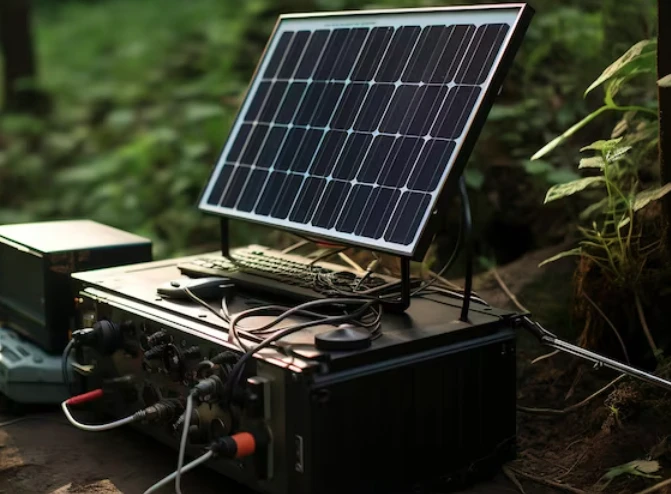
Solar Battery Charger Kit: How to Choose the Right Kit for Portable Power
29th Oct 2026
Power outages leave your devices dead when you need them most. Being stuck without power is scary, hard, and stressful for anyone. A solar battery charger kit gives you easy, clean power anywhere you go. It turns natural sunlight into simple power to charge up your batteries fast. Pick your setup today so you never run out of juice when you travel outdoors or face bad storms.
Here are 5 core points to help you pick the right system for portable energy.
Match Your Energy Storage Capacity
You must pick a battery box that holds enough power. A good setup keeps your gear working well off the grid. Pick a system that helps your daily power needs.
Select High-Efficiency Solar Panels
Good panels turn sunlight into power much faster than cheap panels. Upgrading to a portable solar panel kit gives you steady power in low light. Better panels give you faster charging speed everywhere.
Ensure Rugged Portability for Travel
Heavy gear ruins any fun outdoor trip or quick setup. Using foldable solar panels keeps your kit light and easy to carry. Small designs save valuable room in your car or bag.
Verify Built-in Voltage Monitoring
Checking your power level keeps your gear safe from dying. Built-in meters let you check power levels fast and easy. Clear numbers stop your battery from going totally empty.
Choose the MITY Solar Power Portable (MITY Go-Box)
Getting a simple power kit saves you time and work. Gear like the MITY solar power portable gives you simple plug-and-play power anywhere. Good power boxes keep your gear running on long trips.
What Should You Check Before Buying a Solar Power Cable Kit for Off-Grid Use?
Picking parts for your off-grid kit needs smart choices. Here are 5 key points to check before buying your gear.
Cable Gauge and Current Rating
Thin wires cause big power loss across your setup. Pick thick copper wires to move heavy power without heat. Right wire sizes keep your battery charging safe and fast.
Weatherproof Seals and Connectors
Outdoor setups deal with bad weather like rain and dirt. Use sealed plugs to stop water from touching your wires. Waterproof parts keep your gear safe from rust for years.
Connector Compatibility with Gear
Wrong plugs waste time and slow down your setup outdoors. Check that your wires fit standard plugs right away. Good connections stop wires from pulling out by mistake.
Inline Fuse Protection
Power surges can break your radios and gear right away. Look for strong inline fuses to stop short circuits fast. Fuse safety keeps your pricey gear safe from power spikes.
Support Portable Emergency Communication
Staying in touch during storms needs steady power for radios. Good power wires help portable emergency communication gear work when cell service dies. Strong connections keep your team safe in remote spots.
Key Takeaways
- Match solar panel size to your daily device power needs to avoid running out of power.
- Pick light batteries for longer life and easy carrying when traveling far off the grid.
- Make sure all power wires use thick copper material to stop dangerous heat and loss.
- Use folding panels for easy setup on camping trips and quick outdoor emergency setups.
- Check plug fits before going out on long trips so all gear works right away.
- Keep your battery box in shade away from sun to protect cells from extreme heat.
- Check battery numbers often to stop bad battery damage and keep your power running.
Frequently Asked Questions
Q.1) What is a solar battery charger kit, and how does it work?
A solar battery charger kit captures sunlight through solar panels, converts it into electricity, and regulates the current using a charge controller. The power charges a connected storage battery, which then runs your small devices, lights, or communication radios safely anywhere outdoors.
Q.2) How do you choose the right solar battery charger kit for portable power?
Calculate your total daily watt-hour needs for all connected devices first. Choose a kit featuring sufficient battery capacity, an efficient controller, and compatible connectors. Select lightweight designs if you plan to carry the system over long distances during travel.
Q.3) What features should you look for in a portable solar battery charger kit?
Look for high-efficiency solar cells, durable weather-resistant casing, dynamic voltage displays, and multiple output ports. Quality kits include standardized quick-connect plugs, fused wiring, and integrated controllers to safeguard your sensitive electronic equipment against unexpected voltage spikes.
Q.4) Can a solar battery charger kit power devices during an emergency?
Yes, a solar battery charger kit provides reliable backup power during unexpected electrical grid blackouts. It recharges essential items like smartphones, LED flashlights, medical equipment, and portable emergency communication radios so you stay safe and connected during crises.
Q.5) How do you choose the right portable solar panel kit for your needs?
Check the total panel wattage output, weight, folded dimensions, and cell efficiency rating. Ensure the portable solar panel kit includes matching plug adapters and a solar controller that safely manages your specific battery chemistry without overcharging the cells.
Q.6) Are foldable solar panels effective for portable power generation?
Yes, modern foldable solar panels use high-efficiency monocrystalline cells that capture substantial sunlight while remaining lightweight. They pack flat for easy storage in vehicles or backpacks and set up in minutes for quick field power deployment.
Q.7) How long does it take to charge a battery with a solar battery charger kit?
Charging times depend on battery capacity, panel wattage, sunlight strength, and controller efficiency. Under direct peak sun, a standard 12Ah lithium battery paired with a 50W panel charges completely in about three to five hours.
Q.8) Can a solar battery charger kit support portable emergency communication devices?
Yes, these kits deliver clean, steady DC power ideal for ham radio transceivers, handheld radios, and satellite messengers. They maintain steady voltage output without causing electrical noise, ensuring clear voice transmissions during critical field emergencies.
Q.9) What battery capacity and solar panel wattage do you need for portable power?
For basic phone charging and lighting, a 12Ah battery with a 20W panel works well. For running radios, laptops, or small coolers, step up to a 30Ah lithium battery paired with an 80W solar panel system.
Q.10) How do you maintain a solar battery charger kit for long-term performance?
Clean the solar panel surface regularly using a soft cloth and clear water. Inspect wire insulation, clean terminal contacts, avoid storing batteries fully discharged, and keep the main control box in a cool, dry area during long storage.
Power Your Adventures Anywhere
Picking the right solar power setup keeps your devices working off the grid. Focus on good battery size, strong weather-resistant wires, and simple panels for your needs.
Adding a reliable portable solar panel kit gives you total peace of mind during sudden blackouts or fun camping trips. When you need quality power boxes, custom wires, and tough outdoor gear, check out the great selection at Impulse Electronics.