
LiFePO4 Battery Pack: How to Choose the Right Battery for Portable and Backup Power
2nd Nov 2026
Power outages can disrupt daily life without warning. They can stop lights, fans, and other devices from working. A reliable LiFePO4 battery pack can help during these times. It stores energy for blackouts, camping trips, and outdoor use.
However, choosing the right battery takes some planning. You must check power needs, battery size, safety features, and cable types. The right choice helps keep your essential devices running when you need them most.
Calculate Your Overall Power Needs
Start by listing the devices you want to run. Check each device's wattage and add the values together. This gives you the total power load.
Consider how long each device will run. Fans use less power than many fridges. Estimate your daily energy needs to choose a suitable battery.
Understand Amp-Hour Capacity Ratings
Amp-hours (Ah) show how much charge a battery stores. Higher ratings usually mean more stored energy at the same voltage. A 40Ah LiFePO4 emergency power unit may run small devices during outages.
Check the battery's voltage and capacity before buying. A 12V, 40Ah battery stores about 480 watt-hours. Compare this amount with your daily needs to avoid power shortages.
Check System Voltage Compatibility
Your battery voltage must match your equipment's needs. Many portable systems use 12V batteries, while some devices need different voltages. Check the input rating before connecting equipment.
Incorrect voltage can damage devices. Some systems also need a converter or inverter. Read the manual to ensure safe operation.
Evaluate Physical Weight and Portability
Consider where you will carry and use your battery. Compact models are easier to move between homes, vehicles, and campsites. Lithium iron phosphate batteries offer a useful balance of weight and performance.
Check the battery's size, handle, and case. A strong handle makes carrying easier, while a sturdy case protects the unit. Choose a LiFePO4 battery pack that fits your storage space.
Look for Integrated Safety Features
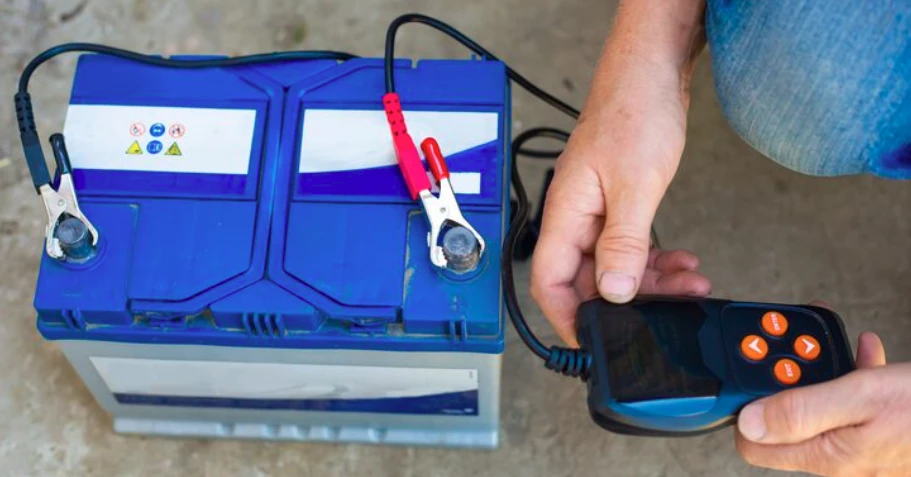
Safety features protect batteries and connected devices. A battery management system (BMS) monitors operating conditions. It helps prevent overcharging, excessive discharge, and overheating.
Check the included safety features before buying. Follow the manufacturer's charging and storage advice. Keep the battery away from excess heat and moisture.
Verify Proper Input Connection Types
Check how the battery connects to chargers and devices. A suitable DC power cable connector provides a secure link. Plug sizes and shapes vary between products.
Make sure the connector fits your equipment. Loose plugs can cause power loss or excess heat. Check the cable's current rating for reliable power delivery.
Plan for Needed Cable Distance
Your battery may need to sit far from your device. A portable power extension can bridge this gap. However, long cables may cause voltage loss under heavy loads.
Measure the distance before buying a cable. Choose the correct wire size and check connector ratings. Keep cables away from water and walking paths for safer use.
What Should You Check Before Buying a Solar Power Cable Kit for Off-Grid Use?
Solar panels can charge compatible batteries when sunlight is available. A solar power cable kit helps connect the panels to the charging system. Check these six points before you buy one.
Inspect Wire Gauge and Current Capacity
Wire size affects current flow. Thin wires may overheat or waste energy. Choose a size that matches your panel output. Long cables may need thicker wires to reduce power loss. Follow the maker's advice to ensure efficient charging.
Confirm Complete Weather Resistance Capabilities
Outdoor cables face sun, rain, dust, and heat. UV-resistant insulation limits sun damage, while sealed connectors keep moisture away. Choose cables rated for outdoor use. Avoid damaged wires and store the kit in a dry place.
Verify Connector Compatibility Standards
Solar panels and charge controllers may use different plugs. Check connector types before buying a solar power cable kit. Matching plugs prevent loose connections. Never force plugs into ports. Check polarity and follow the product manual. Secure connections help maintain steady charging.
Measure Required Overall Cable Lengths
Measure the distance between solar panels and the charging unit. Choose a cable that reaches without stretching. Avoid excess length to limit power loss. Keep cables away from sharp edges and busy paths. Accurate measurements reduce clutter and extra costs.
Check Voltage and Temperature Safety Ratings
Solar cables must match the system's voltage and current. Check panel details and cable ratings before use. Suitable insulation handles normal operating temperatures. Choose cables designed for solar systems. Follow safety guidelines and check ratings to reduce electrical risks.
Look for Flexible Insulation Jackets
Flexible cables bend around corners and equipment. They also simplify packing and storage. Choose strong insulation for outdoor use. Avoid sharp bends near plugs and ports. Inspect wires before use to keep your portable power setup safe.
Key Takeaways
- Calculate your total daily power needs before choosing your battery capacity.
- Lithium iron phosphate batteries offer long life, lightweight design, and easy handling.
- Check plug types and current ratings before connecting your electrical devices.
- Battery protection systems help prevent unsafe charging and excess discharge during operation.
- Solar wiring needs the right size and durable, weather-resistant insulation.
- Match voltage ratings across batteries, panels, chargers, and all connected devices.
- Choose suitable cable lengths to place outdoor equipment safely and neatly.
Frequently Asked Questions
Q.1) What is a LiFePO4 battery pack, and how does it work?
It is a rechargeable battery that uses lithium iron phosphate chemistry. It stores energy and releases it as electricity when needed. This makes it useful for portable and backup power.
Q.2) What can a 40Ah battery power during an emergency?
A 40Ah LiFePO4 emergency power unit may run phones, LED lights, and small fans. The run time depends on power use and battery limits.
Q.3) How do you choose the right battery for portable and backup power?
First, calculate the power your devices need. Then check capacity, voltage, weight, and safety features. Choose a battery that suits your equipment and expected run time.
Q.4) What battery capacity is best for emergency power applications?
The right size depends on the devices you need to run. Small batteries may power phones, lights, and fans. Larger models can support more devices for longer periods.
Q.5) How do you choose the right battery connector?
Check the plug size, polarity, and current rating. A suitable DC power cable connectorprovides a secure fit and helps support safe power transfer.
Q.6) How long does a LiFePO4 battery pack typically last?
Its life depends on use, charging, and storage. Many models support thousands of charge cycles. Follow the manufacturer's advice to help maintain battery performance.
Q.7) What should you consider when selecting an extension cable?
Check its length, wire size, plug rating, and insulation. A suitable portable power extension helps carry power over a longer distance. Choose a cable rated for your planned use.
Q.8) Can a battery work with a solar cable kit?
Yes, if the battery, charge controller, and panels are compatible. A solar power cable kit connects the parts for charging. Check voltage limits before connecting the system.
Q.9) What safety features should you look for in a battery?
Look for a battery management system with suitable protection. It may guard against overcharging, excessive discharge, and overheating. Check the product details before buying.
Q.10) How do you maintain a battery for long-term use?
Store it in a cool, dry place within its rated temperature range. Use a compatible charger and check the cables often. Follow the maker's advice for charging and storage.
Take Control of Your Off-Grid Power
Choosing a high-quality LiFePO4 battery pack guarantees reliable power when blackouts hit unexpectedly. Matching your specific energy needs with sturdy cables creates a seamless off-grid experience. Safe energy storage keeps lights on and vital communication gear online during critical times.
Take charge of your emergency preparedness plan today. Explore premium power options, custom cables, and reliable mobile accessories at Impulse Electronics to secure your off-grid energy setup right now!